Since its founding in 2011, the Global Virus Network has worked to strengthen the world's capacity to understand, prevent, and respond to viral threats through scientific collaboration, research, education, and public engagement. From building an international network of leading virologists to advancing pandemic preparedness initiatives and shaping responses to emerging outbreaks, GVN's accomplishments reflect its commitment to improving global health security and preparing for the viral challenges of tomorrow. Some of the major milestones include the following:
1. Created a global network of leading virology experts
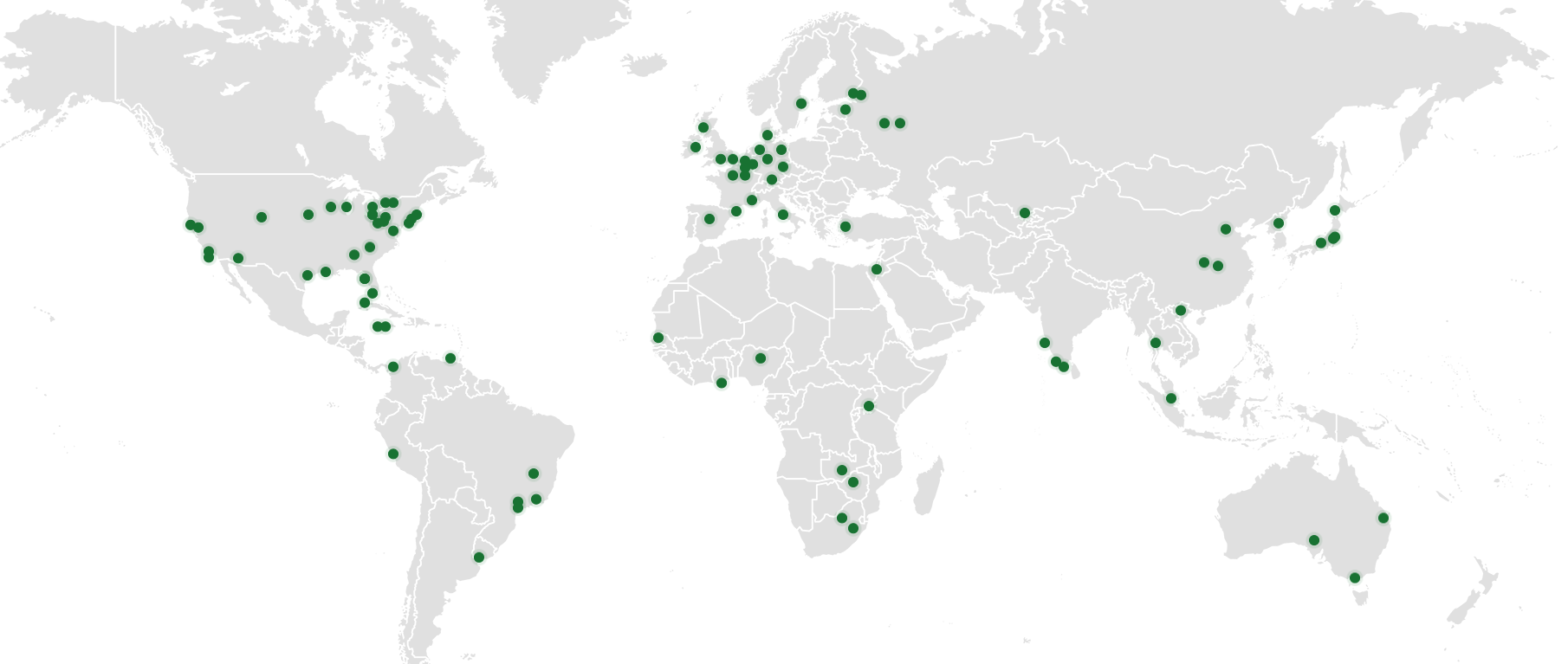
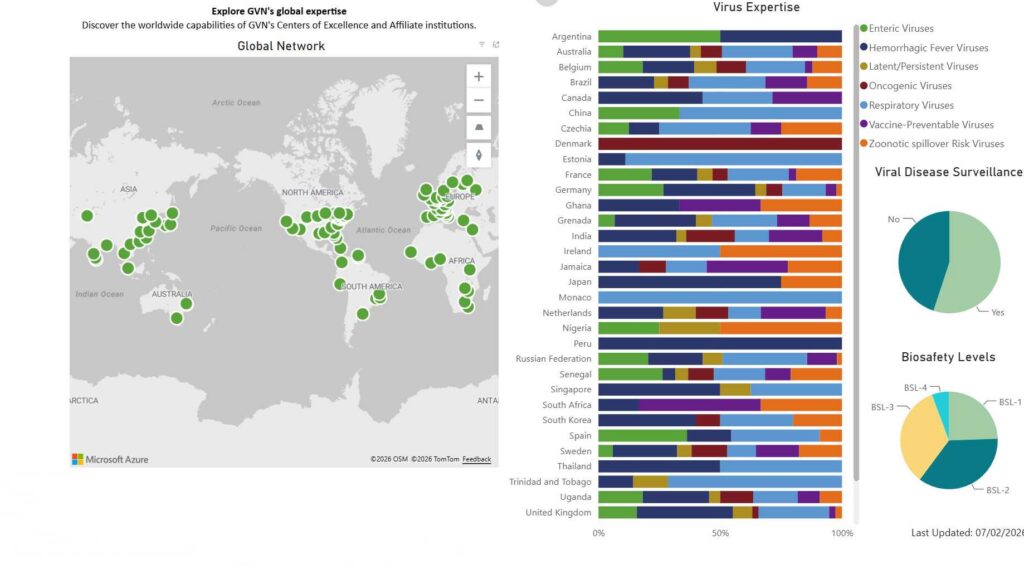
GVN built an international coalition of human and animal virologists across 90+ Centers of Excellence and Affiliates in 40+ countries, giving the world a standing scientific network for viral threats.
2. Established our International Headquarters at USF Health
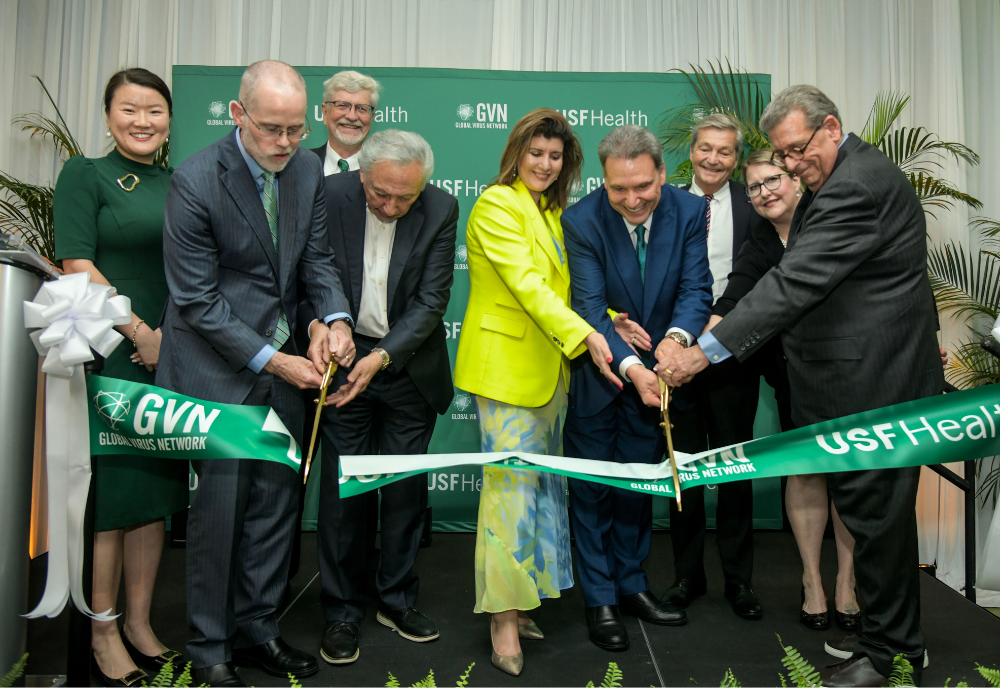
GVN relocated its International Headquarters to the University of South Florida in 2024 and officially opened its new headquarters in 2026, strengthening its operational foundation and expanding its ability to coordinate global research, surveillance, education, and outbreak response.
3. Developed a rapid-response model for emerging viral threats
GVN created expert task forces (now called Action Committees) that rapidly mobilize global scientific leaders to advance research, publish evidence-based recommendations, inform public health policy, engage the media and coordinate international responses to emerging viral threats and other public health priorities including SARS-CoV-2, Zika virus, chikungunya virus, human T-cell leukemia virus type 1 (HTLV-1), dengue virus, and Long COVID.

4. Elevated human T-cell leukemia virus type 1 (HTLV-1) as an important global health priority
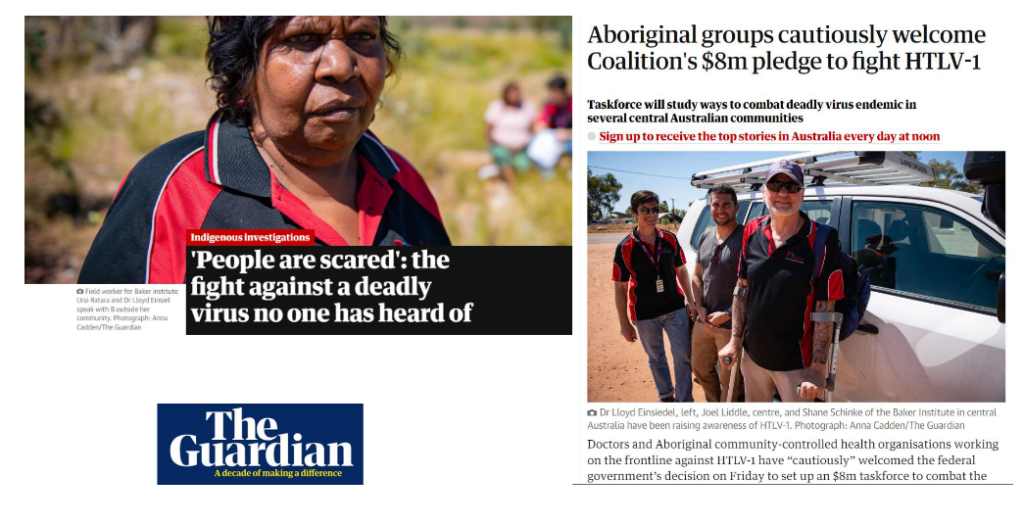
GVN's HTLV-1 Task Force, now part of the Retroviruses Action Committee, helped elevate HTLV-1 as a global public health priority through scientific leadership and sustained international advocacy, contributing to Australia's establishment of an AUD $8 million national HTLV-1 Taskforce and helping catalyze the World Health Organization's formal recognition of HTLV-1 as an important public health concern.
5. Mobilized global scientific expertise on COVID-19, innate immunity, and Long COVID
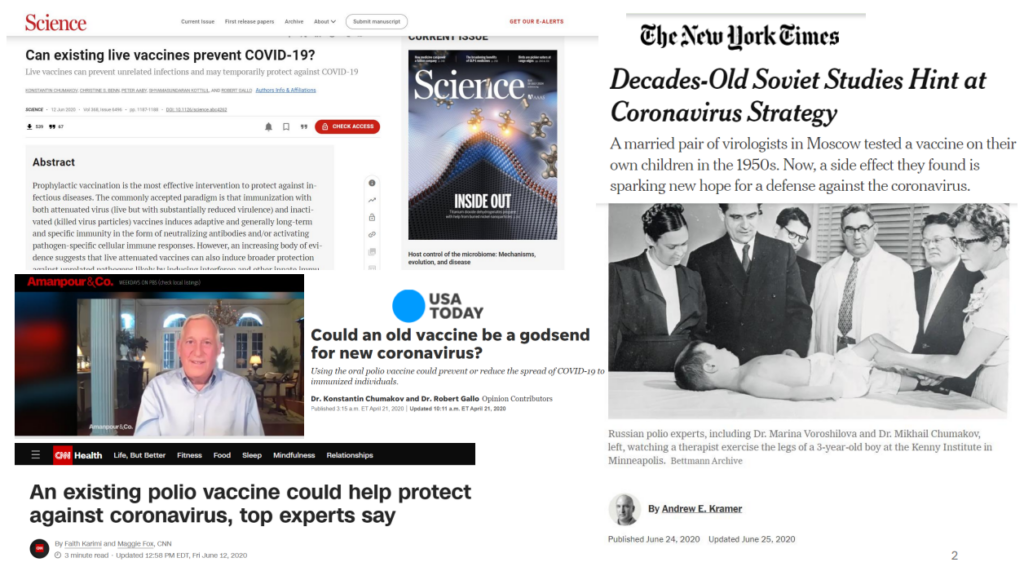
Throughout and beyond the COVID-19 pandemic, GVN convened leading international experts to advance scientific collaboration on SARS-CoV-2 diagnostics, vaccines, therapeutics, variants, innate immunity, Long COVID, and evidence-based public health communication. GVN helped shape scientific understanding of the pandemic through a series of influential initiatives. In June 2020, GVN published a thought-leadership perspective in Science highlighting innate immunity as a promising approach to pandemic preparedness and response. Later that year, GVN co-organized an International Symposium on Innate Immunity and COVID-19, bringing together academic and government leaders to advance research and elevate the field. Building on this work, GVN published an article in Cell Host & Microbe in June 2023 examining the role of trained immunity in COVID-19, helping connect immediate pandemic response efforts with a deeper understanding of host immune responses and the long-term health effects of viral infection.
6. Advanced global Zika virus research and preparedness
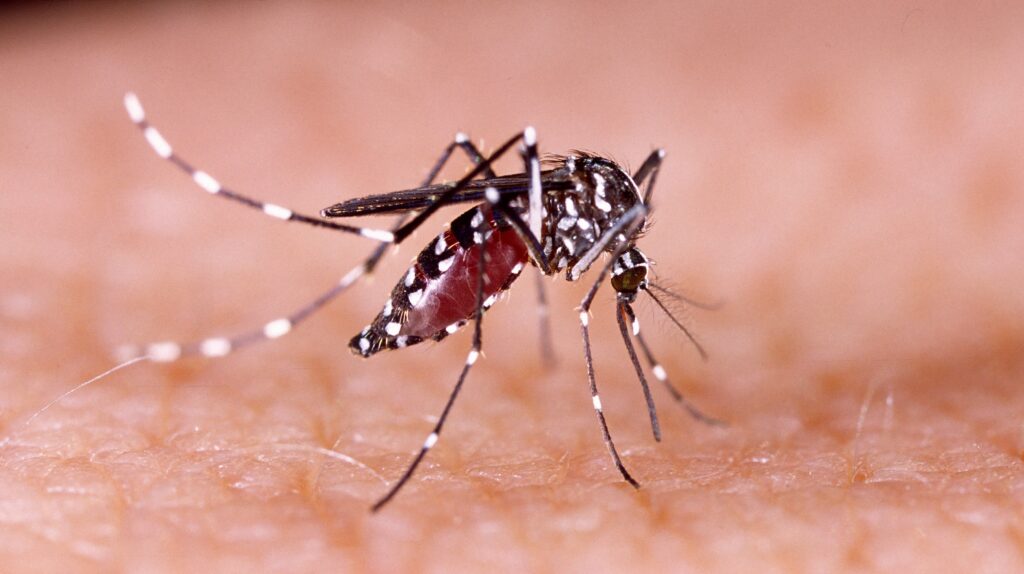
In 2016, with philanthropic support, GVN's Zika Task Force established a global Zika serum bank, strengthening international scientific collaboration and accelerating diagnostics and vaccine research.
7. Established and expanded the GVN Academy to build a pipeline for future virologists and strengthen the global pandemic preparedness workforce
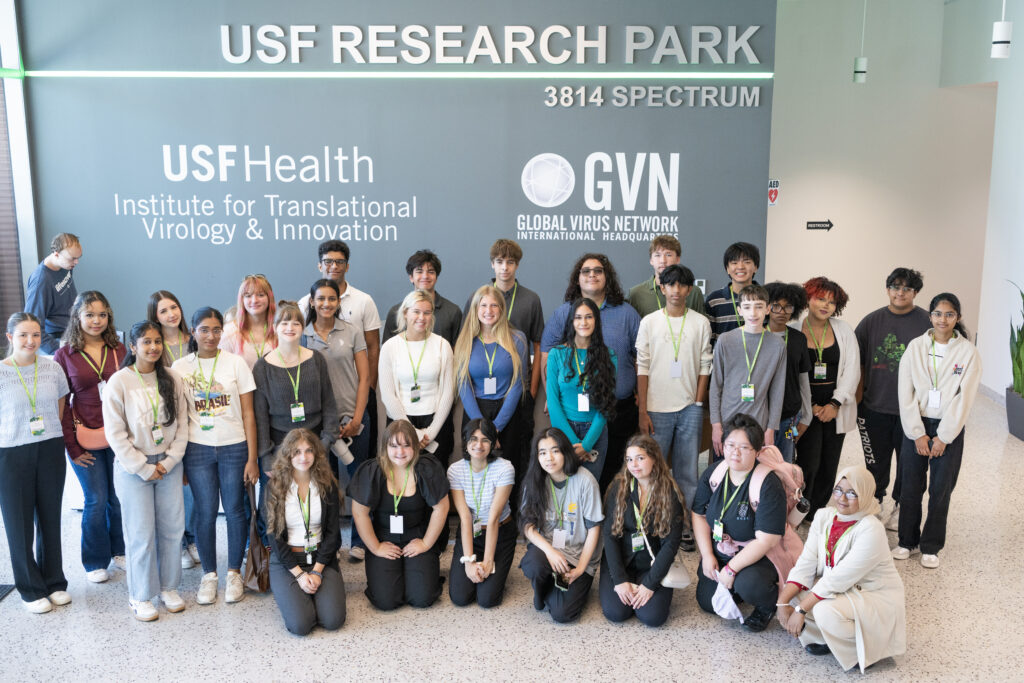
With philanthropic support, GVN established and expanded the GVN Academy as a global training and mentorship platform to prepare the next generation of virologists and pandemic preparedness leaders. Through the Short Course in Translational Virology, Rising Star Mentorship Program, educational and training grants, alumni engagement, internships, and Global Guardians for Pandemic Preparedness, the Academy supports early-career scientists, promotes international collaboration, and builds long-term workforce capacity for outbreak response and future viral threats. GVN has helped train and certify more than 150 alumni and has advanced the careers of more than 150 scientists through its Short Course since 2014.
8. Sustained international scientific meetings across regions
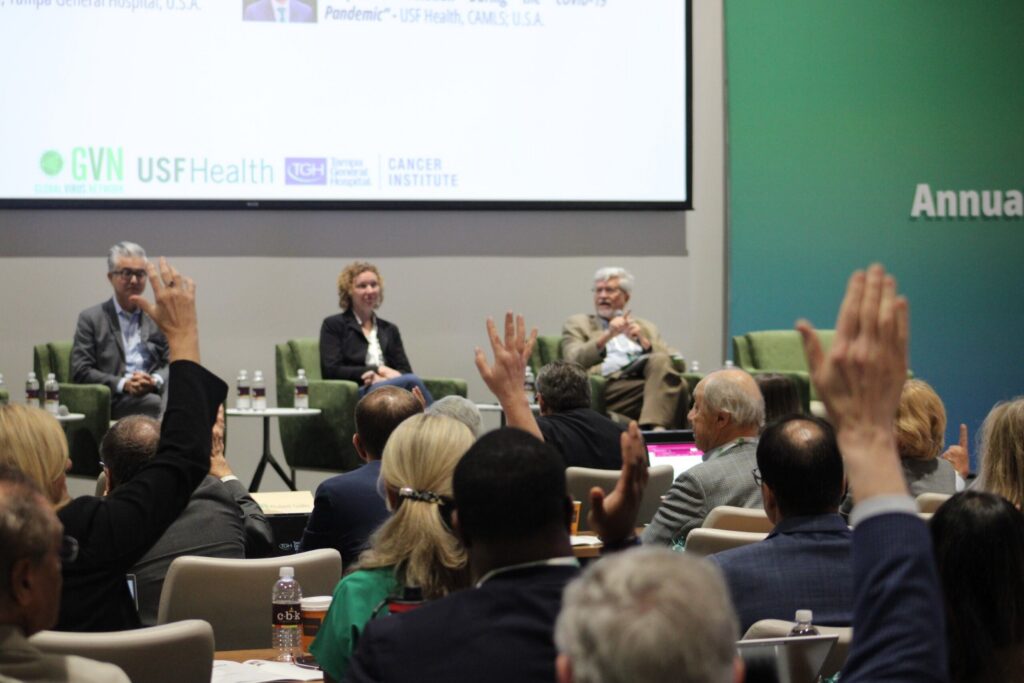
Since its inception in 2011, GVN has hosted major international and regional scientific meetings in partnership with leading academic institutions, governments, scientific organizations and industry partners, bringing together virologists, public health leaders, students, and partners to strengthen collaboration on current and future viral threats.
9. Developed pandemic preparedness infrastructure
GVN advanced major preparedness tools, including its Intranet and the GVN Expertise Dashboard, helping connect surveillance, expertise mapping, and healthcare readiness under one preparedness framework.
10. Expanded GVN’s global visibility through media engagement and outbreak communications
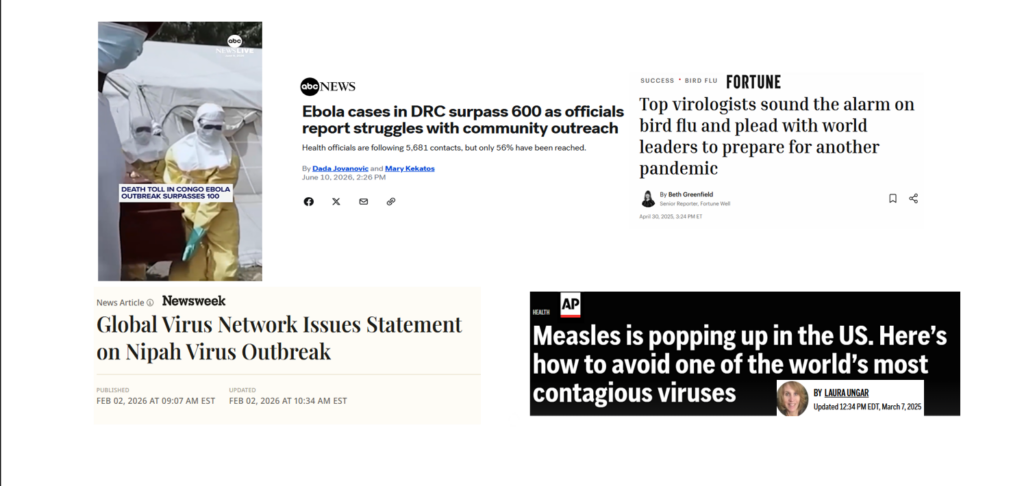
GVN strengthened its public presence through media coverage, expert commentary, public health statements, organizational videos, social media campaigns, and high-profile outbreak communications, including its international Ebola outbreak press conference, its global thought leadership piece on H5N1 vaccine developments published in The Lancet Regional Health—Americas, a public statement on the Nipah virus outbreak in India, and a global alert on measles resurgence and declining vaccination coverage. This work increased awareness of GVN's scientific expertise, global network, pandemic preparedness mission, and role as a trusted voice on emerging viral threats, generating international media coverage and amplifying evidence-based guidance during emerging public health events.